Paris, a city celebrated for its unparalleled culinary landscape, offers a gastronomic journey that goes far beyond Michelin-starred dining. To truly taste the soul of its cuisine, one must venture into the heart of its traditional eateries. The quest for authentic French brasserie dishes Paris leads connoisseurs and casual diners alike to vibrant establishments where culinary heritage is savored with every generous plate. These are not just restaurants; they are institutions, often steeped in history, where the clatter of plates, the hum of conversation, and the rich aromas of classic French cooking create an unforgettable experience.
At a Glance: Savoring True Brasserie Flavors
- Distinguish Brasserie from Bistro: Understand the unique culinary identity of each to appreciate brasserie fare.
- Identify Iconic Dishes: Pinpoint signature brasserie staples, from grand seafood platters to hearty Alsatian specialties.
- Recognize Authenticity: Learn what makes a brasserie dish genuinely traditional and delicious.
- Navigate Parisian Brasseries: Discover how to choose the right brasserie for your desired experience and meal.
- Master the Brasserie Visit: Get practical tips for reservations, ordering, and enjoying your meal like a local.
- Clarify Common Questions: Debunk myths and get straightforward answers about brasserie dining.
Brasserie vs. Bistro Fare: A Culinary Compass for Paris
Before diving into the dishes themselves, it’s helpful to draw a clear distinction between a brasserie and its equally cherished cousin, the bistro. While both offer a taste of traditional French comfort food, they operate on different scales and often with distinct culinary philosophies.
A French bistro (or bistrot) is typically a cozier, more informal spot, often family-run, focusing on affordable and hearty daily meals. Think classic bœuf bourguignon, onion soup, or œuf-mayo. They tend to operate during specific lunch and dinner hours.
The brasserie, however, is often considered the "big sister" of a bistro. Originally, brasseries were breweries that evolved into grand dining halls, serving typical French dishes throughout the day, often from morning until late at night. They possess a more elaborate, often Art Deco, decor—think sweeping ceilings, polished brass, and bustling atmospheres perfect for "seeing and being seen." This continuous service and grander setting often influence their menus, which feature a broader array of dishes, some requiring more intricate preparation or featuring more opulent ingredients.
The Signature Palette: Classic Brasserie Dishes You Must Experience
When seeking authentic French brasserie dishes Paris, you're looking for generosity, tradition, and often a touch of theatricality. These are dishes that have stood the test of time, perfecting recipes passed down through generations.
The Grand Seafood Platters (Fruits de Mer)
Few sights are as iconic in a Parisian brasserie as a towering plateau de fruits de mer. This is the epitome of brasserie dining: a chilled platter piled high with fresh oysters, succulent prawns (crevettes), crab, langoustines, whelks (bulots), and clams. Brasseries like La Coupole or Terminus Nord are renowned for their exceptional seafood selections, often sourced daily. The experience is about freshness, variety, and the sheer indulgence of savoring the ocean's bounty, typically accompanied by mignonette, lemon, and rye bread. This is a must-try for any seafood lover.
Hearty Alsatian Specialties: A Brasserie Staple
Given their origins, many brasseries retain a strong influence from Alsace, France's eastern region bordering Germany. This translates into rich, warming, and deeply satisfying dishes.
- Choucroute Garnie: This is perhaps the most famous Alsatian contribution. A generous bed of fermented sauerkraut is slow-cooked with white wine, herbs, and spices, then topped with a medley of cured and smoked meats—pork knuckles (jarret de porc), various sausages (knack, Morteau), salted pork belly, and often potatoes. It’s a substantial, flavorful dish, perfect for sharing or a hearty individual meal. Bofinger, Paris's oldest brasserie, is particularly famous for its choucroute.
- Flammekueche (Tarte Flambée): While more of a savory tart than a main course, this thin, crisp bread dough topped with crème fraîche, onions, and lardons (smoked bacon) is a delicious and authentic starter or lighter option.
- Schnitzel & Other Pork Dishes: You might also find variations of breaded cutlets or other traditional pork preparations, echoing the robust cuisine of the region.
Brasserie Mains: Timeless and Satisfying
Beyond seafood and Alsatian fare, brasseries offer a range of classic French mains, often focusing on quality ingredients and masterful execution.
- Steak Frites: While seemingly simple, a great steak frites in a brasserie is a culinary art form. Expect a perfectly cooked cut of beef (entrecôte, bavette, or faux-filet), often served with a rich sauce like béarnaise or poivre (peppercorn), and an abundant portion of crispy, thin-cut fries. The quality of the meat and the precision of its cooking are paramount.
- Confit de Canard: Duck confit, a leg of duck slow-cooked in its own fat until tender and then crisped, is a cherished classic. It’s often served with garlicky sautéed potatoes or a simple green salad.
- Vol-au-Vent: A grand puff pastry case, typically filled with a creamy mixture of chicken, mushrooms, and sometimes sweetbreads. It's an elegant and comforting dish that speaks to traditional French culinary techniques.
- Andouillette: For the adventurous palate, this coarse-grained sausage made with pork intestines is a true regional specialty. Its distinctive, pungent aroma and flavor are not for everyone, but it is deeply authentic. Brasserie Lipp is known for this.
- Coq au Vin: Though often associated with bistros, a well-prepared coq au vin—chicken braised in red wine with mushrooms, lardons, and onions—can certainly grace a brasserie menu, especially in more traditional establishments like Café Procope.
Essential Starters to Begin Your Brasserie Journey
- Soupe à l'Oignon Gratinée: The classic French onion soup, slow-cooked onions in a rich beef broth, topped with a crouton and a generous layer of Gruyère cheese, then broiled until golden and bubbly. It’s comforting and deeply flavorful.
- Escargots de Bourgogne: Six or twelve plump snails baked in their shells with copious amounts of garlic, parsley, and butter. A staple that's messy but utterly delicious, requiring a special tool to extract the snails. Chez Georges is a good spot for these.
- Pâté en Croûte: A sophisticated terrine, often featuring various meats and sometimes foie gras, baked in a decorative pastry crust. A testament to meticulous charcuterie.
The Sweet Finish: Brasserie Desserts
Brasseries are also known for their generous and classic desserts, often prepared with a flourish.
- Profiteroles: Choux pastry puffs filled with vanilla ice cream and drowned in warm chocolate sauce, often poured tableside. It's a delightful spectacle and taste.
- Crème Brûlée: A rich custard base topped with a contrasting layer of hardened caramelized sugar. The crack of the spoon breaking through the sugar is as satisfying as the creamy texture beneath. The Madagascan vanilla crème brûlée at Bistrot Des Tournelles comes to mind.
- Mousse au Chocolat: Often served in a large communal bowl, from which generous scoops are taken. A rich, airy, yet intense chocolate experience. Restaurant Cinq-Mars and Chez Janou are noted for their chocolate mousse.
- Mille-Feuille: A delicate pastry of alternating layers of puff pastry and cream, precisely crafted. Café Procope and Chez Georges both offer excellent versions.
- Baba au Rhum: A yeasted cake soaked in a potent rum syrup, often served with whipped cream. Bistrot Paul Bert is known for its version.
Decoding Authenticity: What Makes a Brasserie Dish "True"?
When seeking authentic French brasserie dishes Paris, how do you distinguish a genuine culinary gem from a mere tourist trap? It boils down to a few key elements:
- Quality of Ingredients: Authenticity starts with what's fresh and local. Brasseries pride themselves on sourcing high-quality meat, daily-caught seafood, and seasonal produce. A truly authentic dish will let these prime ingredients shine.
- Traditional Preparation: These dishes aren't about reinventing the wheel. Authenticity means adhering to time-honored techniques��slow braising, precise saucing, expert patisserie. For instance, the richness of a choucroute comes from hours of simmering, not shortcuts.
- Generosity of Spirit and Portion: Brasserie dining is inherently generous. Portions are substantial, reflecting a tradition of hearty, satisfying meals. There's an underlying ethos of abundance and hospitality.
- Consistency: An authentic brasserie delivers consistently excellent versions of its classic dishes, day in and day out. This consistency builds its reputation and loyal clientele.
- Ambiance as an Ingredient: While not a dish itself, the environment is crucial. The lively, bustling atmosphere, often with ornate decor and professional, efficient service, is integral to the authentic brasserie experience. It’s part of the flavor.
Navigating Paris: Finding Your Authentic Brasserie Experience
Paris is dotted with brasseries, each with its own character. Knowing where to look and what to expect can greatly enhance your culinary adventure.
Historic Grandeur vs. Lively Local Charm
- The Grand Dames: For an experience steeped in history and opulent Art Deco splendor, seek out institutions like La Coupole in Montparnasse or Bofinger in the 4th arrondissement. These are places where you "see and be seen," enjoying classic dishes amidst breathtaking decor. Brasserie Lipp in Saint-Germain-des-Prés also offers a strong sense of tradition and historical significance.
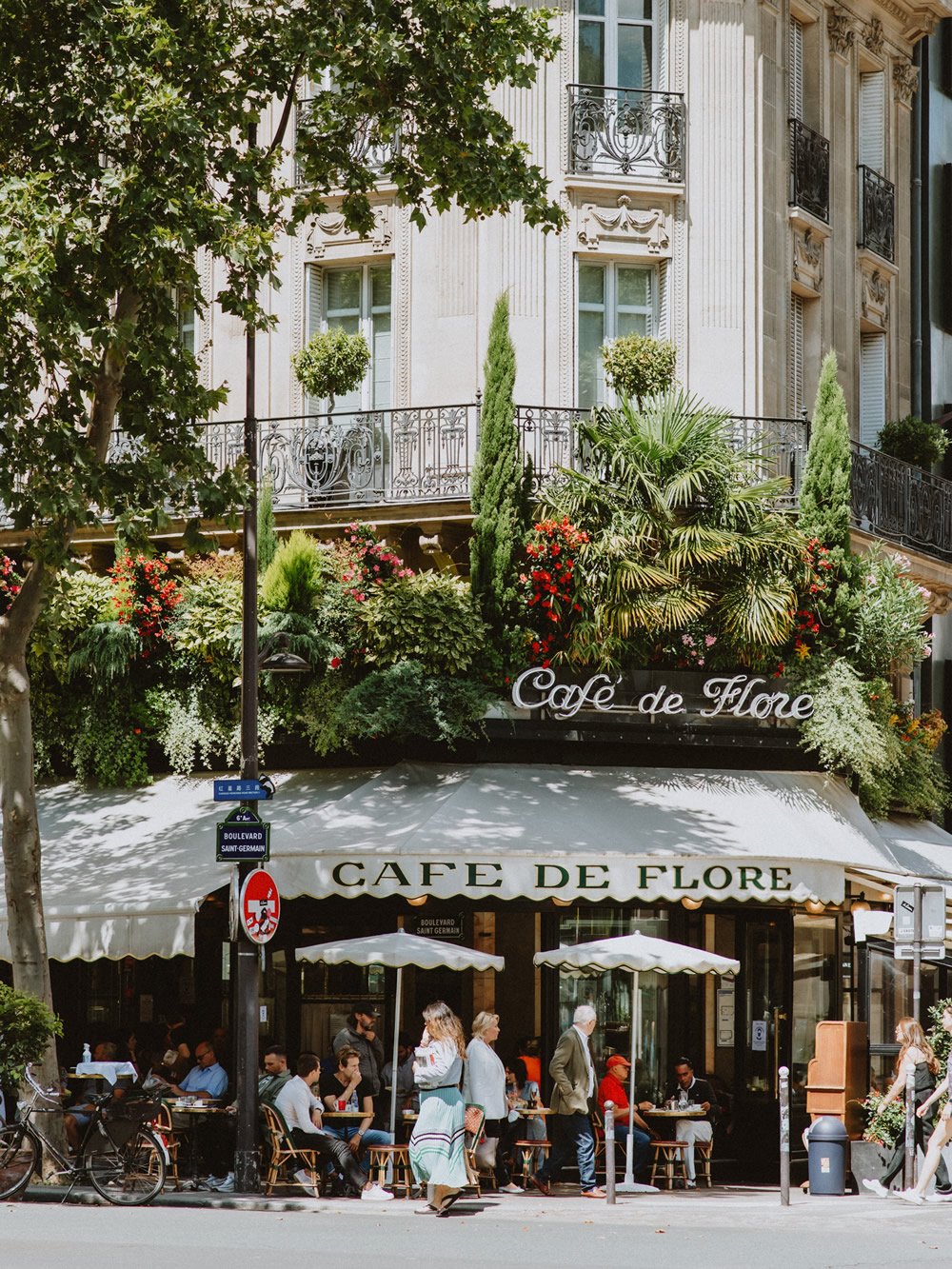
- Iconic Cafés with Brasserie Fare: Places like Café Procope (the oldest café in Paris) or even Les Deux Magots and Café de Flore (while primarily cafés) offer some traditional brasserie-style dishes within legendary settings, though their menus might be slightly more limited than full-blown brasseries.
- Everyday Brasseries: Many brasseries, while still offering excellent food, might be less overtly grand but equally authentic, serving locals and tourists alike with consistent quality. These are often found throughout various arrondissements, sometimes near train stations like Terminus Nord.
Location Matters: Arrondissements for Brasserie Hopping
- Montparnasse (14th): Home to some of the largest and most famous classic brasseries, like La Coupole, offering a truly grand experience.
- Saint-Germain-des-Prés (6th): This intellectual and artistic hub boasts iconic establishments like Brasserie Lipp and Café Procope, where history intertwines with traditional dining.
- Le Marais (4th/3rd): While known for its chic boutiques, Le Marais also harbors historic gems like Bofinger and charming local spots like Chez Janou (though the latter leans more bistro, it offers Southern French influenced dishes in a traditional setting).
To fully appreciate the spectrum of French dining, including the nuances between bistros and brasseries, delve into our comprehensive guide: Discover French bistro dining. Understanding the broader context will help you better identify and savor the particular magic of brasserie cuisine.
Spotting the Right Signatures: Menu Cues
When perusing a menu, look for the dishes mentioned above: a prominent "fruits de mer" section, clear Alsatian offerings, or well-described steak frites. A menu that features "plats du jour" (dishes of the day) or seasonal specials alongside its classics usually indicates freshness and culinary care. Also, observe the crowd; a good mix of locals and discerning tourists is often a positive sign.
Practical Playbook: Mastering Your Brasserie Visit
Making the most of your brasserie experience in Paris involves a few key considerations.
- Reservations are Often Essential: Especially for popular or well-known brasseries, and particularly for dinner or weekend lunch, booking at least a day in advance is highly recommended. Many brasseries, due to their size, can accommodate walk-ins at off-peak hours, but don't count on it for prime dining times.
- Understand the Service Flow: Brasseries are typically bustling. Service is efficient and professional, sometimes perceived as brusque by those unfamiliar with Parisian dining culture, but it's rarely rude. Waitstaff are often seasoned professionals who know their menu and wine list intimately.
- Ordering Strategy:
- Appetizer, Main, Dessert: This is the traditional sequence. Don't feel pressured to rush; enjoy each course.
- Dessert Timing: For certain desserts like a soufflé, you might be advised to order it at the beginning of the meal due to preparation time, as is suggested for Joséphine Chez Dumonet (though a bistro, it illustrates this concept).
- Wine Pairing: Don't overthink it. Most brasseries have excellent house wines (vin de la maison) or a well-curated list of regional French wines that pair beautifully with their classic dishes. Ask your server for recommendations based on your main course.
- Cost Expectation: Brasseries are generally mid-to-high range. While not always as expensive as haute cuisine, a full meal with drinks can certainly add up, especially if you opt for a grand seafood platter. Expect main dishes to average €25-€45, with seafood platters significantly more. Many offer set menus (prix fixe) for lunch, which can be a more budget-friendly option.
- Dress Code: While you won't need a tuxedo, "smart casual" is a good rule of thumb. Parisians tend to dress well for meals out, even in relatively informal settings.
- Embrace the Ambiance: Part of the brasserie experience is the lively atmosphere. Don't expect quiet intimacy; instead, lean into the energy, the clatter, and the buzz of conversation. It's all part of the authentic charm.
Quick Answers: Your Brasserie Questions Clarified
Are brasseries expensive?
Compared to a very casual bistro or café, yes, brasseries tend to be more expensive, especially for dinner. A full meal with wine in a well-regarded brasserie could easily be €50-€80+ per person, particularly if ordering seafood platters. However, they offer a quality and experience that justifies the price, and many have more affordable lunch menus or plats du jour.
Can I find vegetarian options in a brasserie?
While traditional French brasserie cuisine is heavily meat and seafood-centric, most brasseries can offer some vegetarian options. You might find a hearty vegetable soup, a salad (often substantial with cheese), or a vegetable-based side dish that can be adapted into a main. It’s always best to check the menu online beforehand or politely inquire with your server upon arrival. Modern brasseries or "neo-brasseries" are more likely to have dedicated vegetarian choices.
What's the difference between a café and a brasserie?
A café primarily focuses on coffee, drinks, and light snacks (sandwiches, pastries). While some larger cafés might offer a few simple hot dishes for lunch, their culinary scope is limited. A brasserie, on the other hand, is a full-service restaurant with an extensive menu, capable of serving complex, multi-course meals throughout the day, in a more formal (though still lively) setting. Iconic Parisian cafés like Café de Flore or Les Deux Magots are more about the atmosphere and people-watching with a drink or light bite.
Do brasseries serve breakfast?
Yes, many brasseries offer breakfast or "petit déjeuner" service, especially those open all day. This typically includes coffee, fresh orange juice, croissants, pain au chocolat, tartines (toast with butter and jam), and sometimes eggs. It's a great way to start your day in a classic Parisian setting before the lunch rush.
Your Next Culinary Step
Embarking on a brasserie adventure in Paris means more than just eating; it means participating in a cherished culinary tradition. To secure your taste of authentic French brasserie dishes Paris, make a reservation, arrive with an appetite, and be ready to immerse yourself in the vibrant, timeless atmosphere. Begin by identifying a classic dish that intrigues you—whether it’s the grandeur of a seafood platter, the comforting heartiness of a choucroute, or the exquisite simplicity of a perfectly cooked steak frites. Then, select a brasserie from your research that aligns with your desired ambiance, whether historic grandeur or lively local charm. Each brasserie has a story, and each dish tells a chapter of Parisian culinary history. Go forth and savor it.