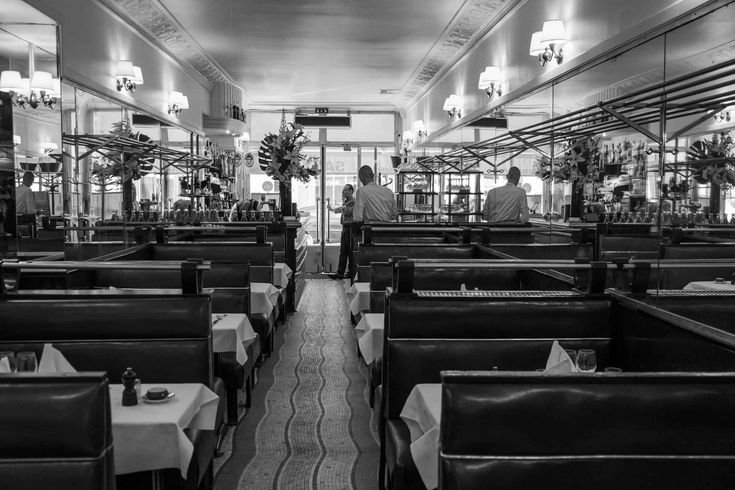
For many, the true heart of Parisian dining beats within its classic French bistros Paris historic. These aren't just restaurants; they're living archives of culinary tradition, neighborhood hubs where generations have gathered over plates of comfort food and robust wines. Stepping into one means more than just eating a meal; it's an immersion into a timeless Parisian ritual, a chance to taste history and authentic local life away from the fleeting trends.
At a Glance: Navigating Paris's Historic Bistros
- Spot the Authenticity: Learn to identify genuine historic bistros by their ambiance, menu style, and clientele.
- Master the Menu: Understand typical classic dishes and how to order like a local, including daily specials.
- Beyond the Plate: Discover the unspoken etiquette and charming rituals that define a traditional bistro experience.
- Curated Choices: Get specific recommendations for iconic, time-honored establishments across Paris.
- Budgeting Insights: Understand pricing expectations for an authentic, high-quality historic bistro meal.
- Reservation Savvy: Know when and how to secure a table at these often-popular culinary institutions.
The Enduring Charm of the Parisian Bistro
The bistro, or bistrot, emerged in the 19th century as a casual, affordable dining spot for Paris's working class. These establishments quickly became synonymous with informal charm, quick service, and hearty, traditional French fare. Unlike the grander brasseries—which are typically larger, operate longer hours, and often have a more imposing presence reminiscent of their Alsatian beerhall origins—bistros are generally smaller, more intimate spaces, focused on lunch and dinner service. They embody a distinct sense of neighborhood camaraderie, often evolving into cherished local institutions.
The very word "bistro" carries a touch of mystery, with its exact etymology debated. Theories range from linking it to words for "innkeeper" or "little servant," to the Russian "bystro" (quickly), possibly echoing Russian troops in 1814 demanding swift service. Regardless of its origin, the spirit of the bistro remains: a place where good food, good company, and a relaxed atmosphere converge. For a deeper dive into the broader landscape of French dining, including the nuances between bistros and brasseries, you can explore our comprehensive Traditional French Dining Guide.
Decoding the Classic Bistro Menu: A Symphony of Comfort
When you visit a historic Parisian bistro, expect a menu rooted in "comfort food"—dishes that evoke a sense of tradition, warmth, and generous portions. These aren't fussy, avant-garde creations, but rather time-tested recipes perfected over decades, sometimes centuries. Menus often change daily, scrawled on a chalkboard (l'ardoise), reflecting seasonal produce and the chef's market finds.
Typical offerings you'll encounter include:
- Soups & Starters: French Onion Soup (often deeply caramelized), œuf-mayo (simple, perfectly cooked egg with mayonnaise), and escargots with garlic butter.
- Hearty Mains: Bœuf bourguignon (beef stewed in red wine), coq au vin (chicken in wine), steak frites (steak with crispy fries), duck confit, steak au poivre (pepper steak), and blanquette de veau (veal in white sauce). More old-school options might surprise you, like tête de veau (calf's head) or roasted pigeon.
- Sides: Creamy mashed potatoes are a common accompaniment, often served generously.
- Desserts: Mousse au chocolat, tart fine aux pommes (thin apple tart), or a classic crème brûlée. Don't overlook the fromages affines (matured cheeses) board.
- Wine: Always a thoughtfully curated selection, often with smaller producers or organic options, designed to complement the rich flavors of the food.
What Defines a Truly Historic Parisian Bistro Experience?
It's more than just the age of the building. A genuinely historic bistro offers a particular blend of ambiance, service, and culinary philosophy.
Ambiance: Stepping Back in Time
Look for:
- Zinc Bars: A classic feature, often worn smooth by countless elbows over the decades. It's a gathering point, a place for a quick coffee, a glass of wine, or a casual meal.
- Banquette Seating: Plush, often red or green, upholstered benches running along the walls, encouraging intimate conversation and a cozy feel.
- Tiled Floors & Woodwork: Often original, these elements speak to the building's history and the enduring design principles.
- Mirrors & Warm Lighting: Large, ornate mirrors amplify the space and reflect the warm, often low lighting, creating an inviting glow. Chez Georges is renowned for its use of large mirrors.
- Minimalist Decor (Sometimes): While some historic bistros have ornate touches, many embrace a simple, no-frills elegance, focusing on the food and conversation. Le Bistrot du Maquis embodies this cozy, no-frills vibe perfectly.
Service: Efficient, Professional, Yet Warm
Expect:
- Professionalism: Waitstaff are typically seasoned, moving with practiced efficiency. They know the menu, the wine list, and the rhythm of the establishment.
- Directness: Service can sometimes appear brisk to newcomers, but it's rarely rude. It's simply efficient and confident, reflecting the bistro's heritage of serving quickly.
- Genuine Hospitality: Once you engage, many bistro owners and staff reveal a deep-seated pride in their establishment and a genuine warmth, especially for diners appreciating their traditions. Andre Le Letty and his wife at Le Bistrot du Maquis are famous for their hospitality.
The Culinary Philosophy: Tradition Over Trend
- Consistency: Historic bistros pride themselves on consistent quality, often using the same reliable, decades-old recipes. You're coming for a specific dish prepared a specific way, perhaps passed down through generations of chefs.
- Quality Ingredients: While affordable, the best bistros never skimp on the quality of their ingredients, often sourcing fresh, seasonal produce from local markets daily. Le Petit Pontoise is praised for this, as is Le Bon Georges with its commitment to French producers.
- Generous Portions: A hallmark of the classic bistro, ensuring diners leave well-fed and satisfied. Joséphine Chez Dumonet is famous for its large servings.
Handpicked Historic Classic French Bistros in Paris
Here are some standout establishments that epitomize the "classic French bistros Paris historic" experience, drawing directly from decades of tradition and local appreciation.
Joséphine Chez Dumonet (6th Arrondissement)
A true Belle-Epoque gem, Joséphine Chez Dumonet is famous for its commitment to classic French cuisine and famously large servings. Dining here is an immersion in a bygone era, with its traditional decor and attentive service. Be sure to order their magnificent Grand Marnier soufflé at the beginning of your meal, as it takes time to prepare. Their rack of lamb and beef bourguignon are legendary, as is the terrine de foie gras. While prices are on the steeper side, the quality, portion sizes, and historical ambiance absolutely justify the cost.
Chez Georges (2nd Arrondissement)
Operating for nearly 70 years, Chez Georges is an institution. This classic French bistro features warm lighting, those iconic large mirrors, and a menu built on time-tested, decades-old recipes. It's a bustling spot, popular with locals, tourists, and even famous artists, all seeking authentic French fare. Their escargot, perfectly crispy pomme frites, and a towering mille-feuille for dessert are consistent favorites. Expect generous portions and a lively atmosphere that buzzes with Parisian life.
Bistrot Des Tournelles (4th Arrondissement)
With a century of experience near Place de la Bastille, Bistrot Des Tournelles retains an undeniable old-fashioned charm. This is a place where tradition is celebrated, from its decor to its straightforward, classic menu. Main courses like beef filet or cordon bleu are hearty and typically come with your choice of staple sides like french fries or mashed potatoes. Finish your meal with a perfectly executed Madagascan vanilla crème brûlée. It's a comforting, reliable choice for an authentic Parisian meal.
Allard (6th Arrondissement)
An establishment in operation since 1932, Allard carries the legacy of generations. It's known for celebrating the rich traditions of French cuisine, often with a focus on Lyonaisse cooking. Expect impeccably prepared classic dishes in a refined yet still convivial bistro setting. While specific menu items can change, the commitment to heritage and quality remains unwavering.
Le Trumilou (4th Arrondissement)
Overlooking the Seine and the picturesque Île Saint-Louis, Le Trumilou is an authentic bistro specializing in classic dishes from the Auvergne region. It offers a charmingly rustic experience, with window booths providing delightful views—a sought-after spot. Their céleri rémoulade is often highlighted as a must-try, perfectly embodying authentic bistro fare. It's a quintessential Parisian dining experience, perfect for soaking in the city's atmosphere while enjoying hearty, traditional cooking.
Le Bistrot du Maquis (18th Arrondissement)
Nestled in Montmartre, this charming bistro, also known as Restaurant Le Maquis, exudes a cozy, no-frills ambiance with its classic zinc bar and inviting banquette seating. Owners Chef Andre Le Letty and his wife are renowned for their warm hospitality, making every guest feel welcome. The culinary highlight here is the signature pressed duck, a sophisticated preparation served in two stages, alongside classics like cassolette d’escargots and veal kidneys in mustard. It's a taste of Montmartre's enduring character.
Le Petit Pontoise (5th Arrondissement)
Tucked away in the Latin Quarter on rue de Pontoise, Le Petit Pontoise is a local favorite for its traditional French recipes, all prepared with daily sourced fresh ingredients. Its wooden interiors and red-white tableware evoke a nostalgic ambiance, making it a very appealing, budget-friendly option. The duck confit with pan-fried foie gras is a particularly celebrated dish. Due to high demand, especially during lunch and dinner, reservations are highly recommended.
Bistrot du Peintre (4th Arrondissement)
Recognizable by its bright red exterior, Bistrot du Peintre offers a delightful dining room featuring charming tile and woodwork, transporting diners to a classic Parisian scene. The menu delivers traditional French fare, including confit de canard and escargots, often incorporating some Southwestern French flavors. It's a lively spot that captures the essence of a lively, historic neighborhood bistro.
Auberge Pyrénées Cévennes (11th Arrondissement)
Often described as intimate and consistently excellent, Auberge Pyrénées Cévennes is a long-standing address for robust, traditional French cuisine, particularly drawing from the flavors of the Pyrénées and Cévennes regions. It's the kind of place locals return to again and again for its reliable quality and welcoming atmosphere, a true testament to its historic appeal.
Bouillon des Vignes (6th Arrondissement)
While the term "bouillon" technically refers to a different type of historic eatery (known for rapid, large-scale service), Bouillon des Vignes embraces a bustling, classic Parisian atmosphere with comic art on its walls. It's known for perfectly executed bistro staples, particularly its steak frites with exceptionally crispy French fries. It offers a lively, more informal take on traditional dining that still feels deeply rooted in Parisian history.
Practical Playbook for Your Historic Bistro Visit
To truly savor the historic bistro experience, consider these pointers:
- Reservations are Key: Even for casual bistros, especially the well-regarded historic ones, reservations are often essential for dinner and highly recommended for lunch. Some, like Les Arlots, have very specific booking windows (e.g., no more than ten days out, calling late in the evening Paris time). Always check the bistro's specific policy.
- Embrace the Chalkboard: The daily changing menu (l'ardoise) is part of the charm. Don't be afraid to ask for clarifications on dishes. A simple "C'est quoi?" (What is it?) or "Je ne comprends pas" (I don't understand) will usually prompt a helpful explanation.
- Go for the Formule or Menu: Many bistros offer a fixed-price formule (lunch) or menu (lunch/dinner) which includes a starter, main, and/or dessert at a set price. This is often the best value and a great way to sample classic combinations. For example, Bistrot Rougemont offers a set menu for €22.
- Pace Yourself, But Don't Linger Too Long: While dining in a bistro is an experience, it's not meant for hours of leisurely contemplation like a gastronomic restaurant. Service is generally efficient. Enjoy your meal, but be mindful of the table turnover, especially during peak hours.
- Don't Fear the Classics: This is the place to try bœuf bourguignon, escargots, duck confit, or a simple steak frites. These dishes are the backbone of French comfort food for a reason.
- Trust the Wine Selection: Bistros often have excellent, often more affordable, wine lists designed to perfectly pair with their robust food. Don't hesitate to ask for a recommendation—"Quel vin va bien avec ce plat?" (Which wine goes well with this dish?).
- Cash or Card?: Most accept cards, but it's always good to have a small amount of cash on hand, especially for smaller, older establishments, or if you wish to leave a modest tip directly for good service (though service is typically included in France).
Quick Answers: Common Questions About Historic Parisian Bistros
Q: Are historic bistros expensive?
A: Prices vary. While some, like Joséphine Chez Dumonet, are considered "steep," many historic bistros offer excellent value, especially compared to fine dining. You can find main dishes from €20-€35, and set menus (formules) often start around €20-€30 for a multi-course meal, making them a budget-friendly option for authentic quality. Le Petit Pontoise is noted for its budget-friendly options.
Q: Do I need to speak French to order?
A: Not necessarily. While a few basic French phrases are always appreciated and can enhance your experience, most bistros in Paris, especially those frequented by tourists, will have staff who speak some English or are very accustomed to communicating with non-French speakers. Pointing to the menu (or chalk board) is perfectly acceptable.
Q: Are these bistros tourist traps?
A: The bistros highlighted here are known for their authenticity and strong local following, indicating they are far from tourist traps. They cater to a mix of locals and discerning visitors seeking a genuine experience. However, always exercise caution with bistros directly next to major tourist attractions that seem overly eager to pull you in.
Q: What's the tipping etiquette in historic bistros?
A: In France, service is legally included in the price (service compris). Tipping is not obligatory, but if you've had exceptional service, leaving a few euros (e.g., €2-€5 for a modest meal, more for a larger bill or outstanding experience) is a kind gesture and appreciated.
Q: Can I find vegetarian options in classic bistros?
A: Traditionally, French bistro cuisine is meat-heavy. While you might find vegetarian starters (like salads or œuf-mayo) and some side dishes (like mashed potatoes or green beans), fully vegetarian main courses can be limited. Always check the menu or ask. Newer "neo-bistros" or establishments like Le Grand Bain often have more vegetarian-friendly options.
Your Next Bite of Parisian History
Choosing a classic French bistro in historic Paris isn't just about finding a place to eat; it's about making a choice to engage with the city's living culinary heritage. Whether it's the century-old charm of Bistrot Des Tournelles, the culinary institution that is Joséphine Chez Dumonet, or the rustic comfort of Le Trumilou by the Seine, each offers a unique window into Parisian life. Embrace the daily chalkboard, savor the unpretentious comfort food, and allow yourself to be transported to a time when good food, shared simply, was the ultimate luxury. Your next authentic taste of Paris awaits.