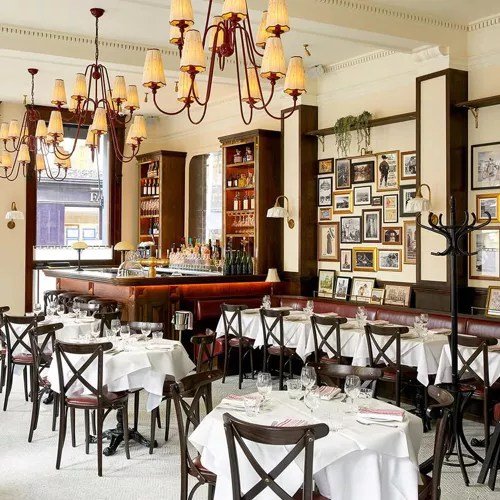
Step into a world where time-honored recipes whisper tales of generations, where the clinking of glasses harmonizes with lively conversation, and every dish feels like a warm embrace. This is the heart of France's culinary soul: the Traditional French Bistros & Brasseries, serving classic comfort food that defines an entire culture. Forget white tablecloths and hushed tones; these are the places where life is lived, celebrated, and most importantly, truly savored.
At a Glance: Your Guide to French Bistros & Brasseries
- Bistro vs. Brasserie: Bistros are smaller, intimate, open for lunch and dinner; Brasseries are larger, open all day, offering hearty, continuous service.
- Origin Story: Bistros likely began in Paris, offering quick, affordable meals.
- Comfort is Key: Expect generous portions of classic, unpretentious French dishes made with seasonal ingredients.
- Chalkboard Menus: Often feature daily specials, reflecting what's fresh and available.
- Essential Dishes: Iconic fare includes Soupe à l’oignon, Steak frites, Confit de canard, Boeuf Bourguignon, Crème brûlée, and Mousse au chocolat.
- The Vibe: Lively, casual, cozy, and deeply authentic.
The Enduring Charm of French Eateries
In France, eating isn't just sustenance; it's a profound cultural experience, an act of community, and a testament to the nation's rich heritage. The very words we use to describe dining—cuisine, menu, chef, restaurant (from restaurer, "to restore oneself")—are gifts from the French language. Among these, the bistro holds a special place, conjuring images of small, unpretentious havens where good food and wine flow freely, much like a conversation among friends. It's an invitation to slow down, to indulge, and to connect.
Bistro vs. Brasserie: Understanding the Culinary Cousins
While often used interchangeably by visitors, the terms "bistro" and "brasserie" describe distinct, though equally beloved, dining experiences. Knowing the difference can help you choose the perfect spot for your mood and hunger level.
Bistros: Intimate and Intentional
Think of a bistro as the cozier, more intimate sibling. Bistros are typically smaller, often family-run establishments designed for a more focused dining experience. They usually open for lunch and then again for dinner, operating with set hours rather than all-day service. The menu, while perhaps less extensive than a brasserie's, is carefully curated, often written on a chalkboard to reflect daily market finds and seasonal ingredients. When you're seeking a quiet corner for an unhurried meal or a romantic dinner, a traditional bistro is your ideal destination.
Brasseries: Lively and Long-Lasting
Brasseries, on the other hand, are the grander, livelier cousins. The word "brasserie" literally means "brewery" in French, hinting at their origins as German and Alsatian beer halls. This heritage means they're typically larger, often adorned with grand mirrors, polished brass, and bustling atmospheres. The defining characteristic of a brasserie is its continuous service: you can often find hearty cooking from early morning until very late at night. Whether you crave breakfast, a late lunch, an afternoon snack, or a full dinner at an unusual hour, a brasserie is always open and ready to serve. They offer a broader menu, ensuring there's something for everyone at any time of day, making them perfect for people-watching and soaking in the urban buzz. For a true taste of Authentic French Brasserie Dishes, you'll appreciate their extensive offerings.
The Humble Origins of the Bistro
The precise etymology of "bistro" is debated, adding a touch of mystique to its charm. Most agree it originated in Paris, becoming popular as small eateries serving simple, hearty meals to working-class patrons. One popular, albeit romanticized, theory links it to Russian troops occupying Paris in 1814. Allegedly, they would shout "Bystro!" (Russian for "quickly!") to café owners for faster service, giving rise to the name. Other theories suggest derivatives from words meaning "innkeeper," "little servant," or even "cheap liquor." Regardless of its true linguistic birth, the essence of a bistro—small, informal, unpretentious, and serving good food and wine—has remained constant.
A Taste of Tradition: Classic Bistro & Brasserie Fare
The heart of any great bistro or brasserie lies in its food: unpretentious, deeply flavorful French comfort food. These are dishes that have stood the test of time, made with seasonal produce and served with generosity.
Starters That Set the Scene
Before the main event, a traditional starter awakens the palate with classic French flavors:
- Soupe à l’oignon (French Onion Soup): A quintessential comfort dish, rich caramelized onions in a savory broth, topped with a crouton and melted Gruyère. Truly, few things are as satisfying, and you might want to specifically seek out the Best Traditional Paris Onion Soup when you're there.
- Pâté or Terrine: Often a rustic preparation of finely or coarsely ground meat, liver, or seafood, pressed into a loaf, served cold with cornichons (small gherkins) and Dijon mustard.
- Salade de chèvre chaud: A refreshing salad featuring warm, toasted goat cheese rounds atop mixed greens, often dressed with honey and walnuts.
- Escargots de Bourgogne: Six or twelve snails baked in their shells with a heavenly garlic-parsley butter. A true delicacy.
- Œufs mayonnaise: Simple, yet perfectly executed hard-boiled eggs with a dollop of creamy, house-made mayonnaise. A testament to French culinary fundamentals.
Mains: Hearty & Soul-Satisfying
The main courses are where French comfort food truly shines, offering robust flavors and satisfying portions:
- Steak frites: The ultimate bistro staple – a perfectly grilled steak (often sirloin or onglet), served with a generous pile of crispy, golden fries and a rich sauce (like peppercorn or béarnaise).
- Confit de canard: A crispy-skinned duck leg, slow-cooked in its own fat until tender, often served with roasted potatoes or lentils. A masterpiece of preservation and flavor.
- Coq au vin: Chicken braised slowly in red wine (typically Burgundy), mushrooms, pearl onions, and often lardons (bacon).
- Boeuf Bourguignon: A rich, deeply flavorful beef stew, slow-cooked in red wine with carrots, onions, and mushrooms. A true taste of the French countryside.
- Moules marinières: Fresh mussels steamed in white wine, shallots, and parsley, typically served with more frites for dipping in the fragrant broth.
- Tartare de boeuf: For the adventurous palate, raw beef, finely chopped and mixed tableside with capers, chopped onions, mustard, and a raw egg yolk.
- Quiche Lorraine: A savory pie featuring a creamy filling of eggs, cream, and smoky bacon, sometimes with cheese. Perfect for a casual lunch.
- Cassoulet: A hearty, slow-cooked casserole from Southwestern France, brimming with white beans, duck confit, various sausages, and pork. A meal in itself!
Sweet Endings: Classic French Desserts
No French meal is complete without a delightful dessert, often simple yet incredibly refined:
- Crème brûlée: A smooth, creamy vanilla custard with a perfectly caramelized sugar crust, cracked with the tap of a spoon.
- Tarte Tatin: The famous "upside-down" apple tart, where apples are caramelized in butter and sugar before being topped with pastry and baked.
- Mousse au chocolat: A rich, airy, and intensely dark chocolate mousse, often served in a simple bowl.
- Profiteroles: Light choux pastry puffs filled with vanilla ice cream and generously drizzled with warm chocolate sauce.
How to Spot and Savor an Authentic Experience
Finding an authentic traditional French bistro or brasserie isn't just about reading reviews; it's about understanding the nuances of the experience.
The Chalkboard Menu: Your Daily Guide
Many of the best bistros still feature their menu du jour (menu of the day) or plats du jour (dishes of the day) on a large chalkboard. This isn't quaint décor; it's a testament to freshness. It means the chef has gone to the market that morning, bought the best seasonal produce, meat, or fish available, and crafted dishes around those ingredients. Embrace the chalkboard; it’s your first sign of a kitchen dedicated to quality.
Seasonal Delights and Regional Specialties
True French cooking is inherently seasonal and regional. Don't expect to find asparagus in winter or a heavy cassoulet in the height of summer. The menu will reflect the bounty of the season and often highlight specialties from a particular region of France, especially in places like Le Trumilou which features dishes from the Auvergne region, such as céleri rémoulade.
The Wine List: Simple Pleasures
While some brasseries have extensive wine lists, many bistros offer a more concise selection of regional wines, often available by the pichet (carafe) or verre (glass). Don't be afraid to ask for a recommendation; the staff will likely guide you to a perfect pairing for your meal. It's about enjoying good wine, not necessarily an expensive one.
Making a Reservation (or Not)
For smaller, highly sought-after bistros, a reservation is often essential, especially for dinner. Some, like Les Arlots, are so popular they only accept reservations ten days out. For larger brasseries, you might find more flexibility, but calling ahead is always a good idea, particularly for peak hours. Remember, dining is a leisurely affair; don't expect to be rushed.
Navigating Paris: Our Top Picks for Timeless Bistros
Paris is undeniably the epicenter of the traditional bistro experience. While many have modernized, some uphold the classic spirit beautifully. If you're looking to Explore Paris's classic bistros, here are some recommendations from seasoned travelers and locals alike:
Chez Vous: Modern Comfort, Tapas Twist
Located on the charming Rue des Martyrs, Chez Vous offers a delightful blend of superb food, friendly prices, and an inviting atmosphere. While it embraces a modern approach with tapas-sized portions, the quality and intention behind the dishes—like fried padrón peppers, mushroom risotto, or roasted sea bream—are deeply rooted in good cooking. Their French fries with smoked cheddar cheese sauce are a surprisingly addictive twist.
Allard: A Legacy of Flavor
Operating since 1932, Allard exudes classic bistro charm with its interior and dedication to traditional French cuisine. It's a place where history and flavor intertwine, offering a reliably excellent experience that harkens back to a bygone era.
Le Bon Georges: Farm-to-Table Tradition
Chef Benoît Duval-Arnould at Le Bon Georges is a champion of traditional bistro fare with a strong emphasis on fresh, quality produce. Expect ingredients like exceptional Lorraine beef and local vegetables. The menu changes almost daily, ensuring a dynamic and seasonal dining experience every visit.
Le Trumilou: Seine-Side Serenity
With its enchanting window booths overlooking the Seine and Île Saint-Louis, Le Trumilou offers a picturesque setting. It specializes in classic dishes from the Auvergne region, such as céleri rémoulade, making it a perfect spot to enjoy regional specialties with a view.
Les Arlots: Small Space, Big Flavor
This 30-seat bistro in the 10th Arrondissement is lauded for its exquisite, ever-changing chalkboard menu and is particularly famous for "life-changing mashed potatoes." From poached plums to almond crumble cake with Faisselle, the dishes are memorable. Its interior, adorned with bizarre taxidermied animals, adds to its unique charm. Be prepared to call (at +33 1 42 82 92 01, around 11 pm Paris time) for reservations, as they're not accepted more than ten days out.
Auberge Pyrénées Cévennes: Intimate & Excellent
For a consistently excellent and intimate dining experience, this auberge comes highly recommended. It’s the kind of place where every dish feels lovingly prepared, a true hidden gem for those seeking genuine French hospitality.
Restaurant Le Maquis: Unfussy & Authentic
A cozy, no-frills spot, Le Maquis charms with its authentic zinc bar and classic banquette seating. It’s a testament to the idea that great food doesn’t need pretense, just quality ingredients and skilled preparation.
Joséphine “Chez Dumonet”: Belle Époque Indulgence
Step into the Belle-Époque elegance of Joséphine “Chez Dumonet.” This establishment offers a stellar menu of traditional French food, including exquisite terrine de foie gras and their renowned boeuf bourguignon. While prices are on the steeper side, the quality and ambiance make it a splurge-worthy experience.
Bouillon des Vignes: Fries and Fun
Known for its perfectly crispy French fries and unique Bande Dessinée (comic) art adorning its walls, Bouillon des Vignes provides a lively and enjoyable dining atmosphere. It's a great spot for a casual yet delicious meal.
Bistrot du Peintre: Artistic Ambiance, Southwestern Flair
With its bright red exterior and a dining room rich in tile and woodwork, Bistrot du Peintre offers an artistic backdrop to classic dishes like confit de canard and escargots, often infused with delicious Southwestern French flavors.
Le Petit Pontoise: Left Bank Gem
Nestled on Rue de Pontoise, between Boulevard Saint Germain and the Seine's Left Bank, Le Petit Pontoise is a small bistro embodying the quintessential Parisian experience. It's a charming spot to escape the bustle and enjoy a classic meal.
Le Cochon a l’Oreille: Confit de Canard Central
If you're a fan of perfectly cooked duck, Le Cochon a l’Oreille specializes in confit de canard, ensuring a memorable rendition of this French classic. It’s a place that takes pride in mastering a beloved dish.
Le Loir dans la Théière: Marais Magic
Situated in the heart of the vibrant Marais district, Le Loir dans la Théière is a charming stop, particularly known for its inviting atmosphere and delicious pastries, though its savory offerings are equally compelling.
Le Baratin: Belleville’s Home Cooking Hero
In the eclectic Belleville neighborhood, Le Baratin stands out for its great prices and commitment to classic French home cooking. It’s a favorite among locals for its unpretentious charm and consistently good food.
Villalys: Parisian & Middle Eastern Fusion
Located near the beautiful Jardin du Palais Royal, Villalys surprises with a menu that blends French bistro staples with subtly Middle Eastern-influenced dishes, such as chicken couscous, all at reasonable prices. With outdoor seating and proximity to eclectic boutiques and art galleries, it’s a delightful choice for a flavorful and culturally rich meal.
Common Questions About French Dining Etiquette
Dining in France is generally less formal than many imagine, especially in bistros and brasseries, but a few pointers can enhance your experience.
Do I need to speak French?
No, not necessarily. While a few basic phrases (bonjour, merci, s'il vous plaît) are always appreciated, many staff in tourist-heavy areas speak English. Don't be shy; pointing to the menu or using a translation app is perfectly acceptable.
Is tipping customary?
Service (service compris) is generally included in the bill in France. However, it's customary to leave a small additional tip (a few euros for good service, or rounding up the bill) for particularly good service, but it's not obligatory or expected at the same high percentages as in the US.
Can I share dishes?
While not uncommon to share appetizers, main courses are typically intended for one person. However, if you're ordering tapas-style dishes (like at Chez Vous), sharing is encouraged.
How do I get the bill?
Wait staff will rarely bring the bill without you asking, as it's considered impolite to rush diners. Simply make eye contact and say "L'addition, s'il vous plaît" (The bill, please).
Embracing the French Art of Living (L'Art de Vivre)
The beauty of Traditional French Bistros & Brasseries lies not just in their delicious food, but in their embodiment of l'art de vivre—the art of living. They invite you to slow down, to engage with your companions, to savor each bite and sip. They are places of community, tradition, and unwavering culinary passion.
So, the next time you find yourself yearning for an authentic taste of France, step into a bistro or brasserie. Order a soupe à l'oignon, delve into a steak frites, and let the lively atmosphere wash over you. You'll leave not just fed, but truly restored, carrying with you a piece of France's enduring culinary soul.